
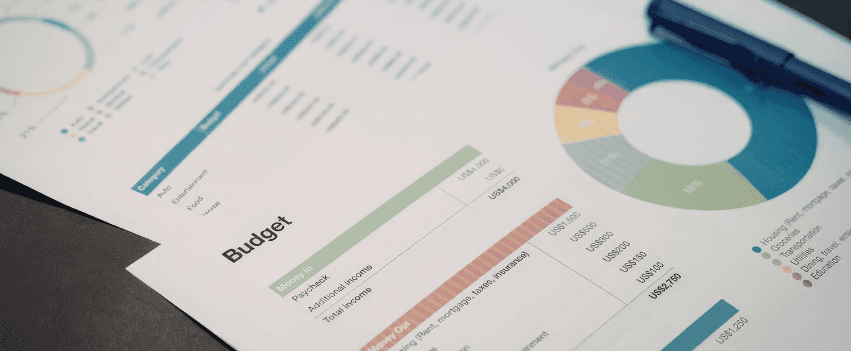
Spend Analytics
Spend analytics software helps procurement and finance teams gain complete visibility into how, where, and with whom their organization spends money; providing AI-powered spend classification, interactive dashboards, savings opportunity identification, and actionable insights that drive better sourcing decisions and cost control. Compare and evaluate leading spend analytics platforms on ProcureScore.
What Spend Analytics solves
Category managers cannot manage what they cannot see. Yet most procurement organizations struggle with incomplete, inaccurate, or severely delayed spend visibility. Transaction data is scattered across multiple ERPs, P-card systems, expense tools, and AP platforms. Supplier names are inconsistent — the same vendor appears differently across different systems. Category coding is missing or wrong on transactions. And by the time a quarterly spend report is compiled manually, the data is already stale. Spend analytics software solves this by ingesting transaction data from every source, cleansing and normalizing supplier names, classifying every transaction to a commodity taxonomy using AI/ML, and presenting the result in interactive dashboards that answer the questions procurement leaders actually ask; where are we spending, with whom, on what, under contract or not, and where are the opportunities to spend less or spend better.
Organisations deploying AI-powered spend analytics achieve ~90–95% classification accuracy across their entire spend base within 60–90 days of implementation, compared to ~40–60% accuracy from manual or rules-based classification and typically identify 5–12% of addressable spend as immediately actionable savings opportunities in the analysis cycle.
Spend analytics is the foundational layer that makes every other procurement technology more effective. Sourcing decisions are only as good as the spend data that identifies what to source. Category strategies are only as credible as the spend analysis that underpins them. Supplier consolidation is only possible when you can see all the suppliers. Without clean, classified spend data, procurement is guessing; with it, procurement is managing.
Top Spend Analytics Vendors
Proactis Spend Analytics

Rosslyn Spend Analytics

Ignite Procurement Spend Analytics

Xeeva Spend Analytics

MeRLIN Spend Analytics

Simfoni Spend Analytics

Sievo Spend Analytics

Zycus Spend Analytics

Spend HQ Spend Analytics

GEP Smart Spend Analytics

Coupa Spend Analytics

SAP Ariba Spend Analytics
Popular SAP Ariba Spend Analytics comparisons
Buyers shortlisting SAP Ariba Spend Analytics typically also evaluate the alternatives below — open any card for a side-by-side breakdown.

SAP Ariba Spend Analytics
Score 66
Coupa Spend Analytics
Score 65
Side-by-side feature, pricing & review breakdown
CompareSAP Ariba Spend Analytics
Score 66
GEP Smart Spend Analytics
Score 64
Side-by-side feature, pricing & review breakdown
CompareSAP Ariba Spend Analytics
Score 66

Ignite Procurement Spend Analytics
Score 64
Side-by-side feature, pricing & review breakdown
CompareSAP Ariba Spend Analytics
Score 66

Sievo Spend Analytics
Score 63
Side-by-side feature, pricing & review breakdown
CompareSAP Ariba Spend Analytics
Score 66
Spend HQ Spend Analytics
Score 63
Side-by-side feature, pricing & review breakdown
CompareSAP Ariba Spend Analytics
Score 66

Rosslyn Spend Analytics
Score 62
Side-by-side feature, pricing & review breakdown
CompareKey use cases & buying considerations
Global enterprises running 2–15 ERP instances across regions, business units, and acquired entities use spend analytics to create a single, unified view of total addressable spend. The platform ingests data from every source (SAP, Oracle, Workday, NetSuite, P-card, expense), norm…
Category managers and sourcing teams use spend analytics to systematically identify savings opportunities; supplier fragmentation (too many suppliers for one category), off-contract spend (purchases not covered by an active agreement), price variance (different business units pay…